Country’s Colorline Pt. 3
Racism did not deter the great R&B singer Ray Charles from reimagining 15 country standards that culminated in the 1962 album, Modern Sounds in Country and Western Music. He shared his enthusiasm with Billboard magazine, saying, “I think a lot of the hillbilly music is wonderful. I think I could do a good job with the right hillbilly song today. If you really have the ability, that’s what counts.”
With a resolute commitment to the art of music, Charles sat down at the piano and claimed hillbilly anthems as his own, trading country’s strum and twang for the vibrant swing of a Count Basie-style big band or lush and ambient string arrangements that complemented his emotive singing. His soulful phrasing was perfectly suited to country songs, adding an aching melancholy to poignant stories about love, heartache, and loss—emotions that all human beings can relate to. Demonstrating extraordinary self-expression and creative fearlessness, Charles transcended the racist hypocrisies governing who is permitted to perform country music.
Ostracized by segregated country radio, Modern Sounds in Country and Western Music still achieved an unprecedented level of success. The album shot to the top of the pop and R&B charts, and Charles’ definitive rendition of Don Gibson’s I Can’t Stop Loving You reached number one on the Billboard Hot 100 singles chart, where it remained for five weeks.
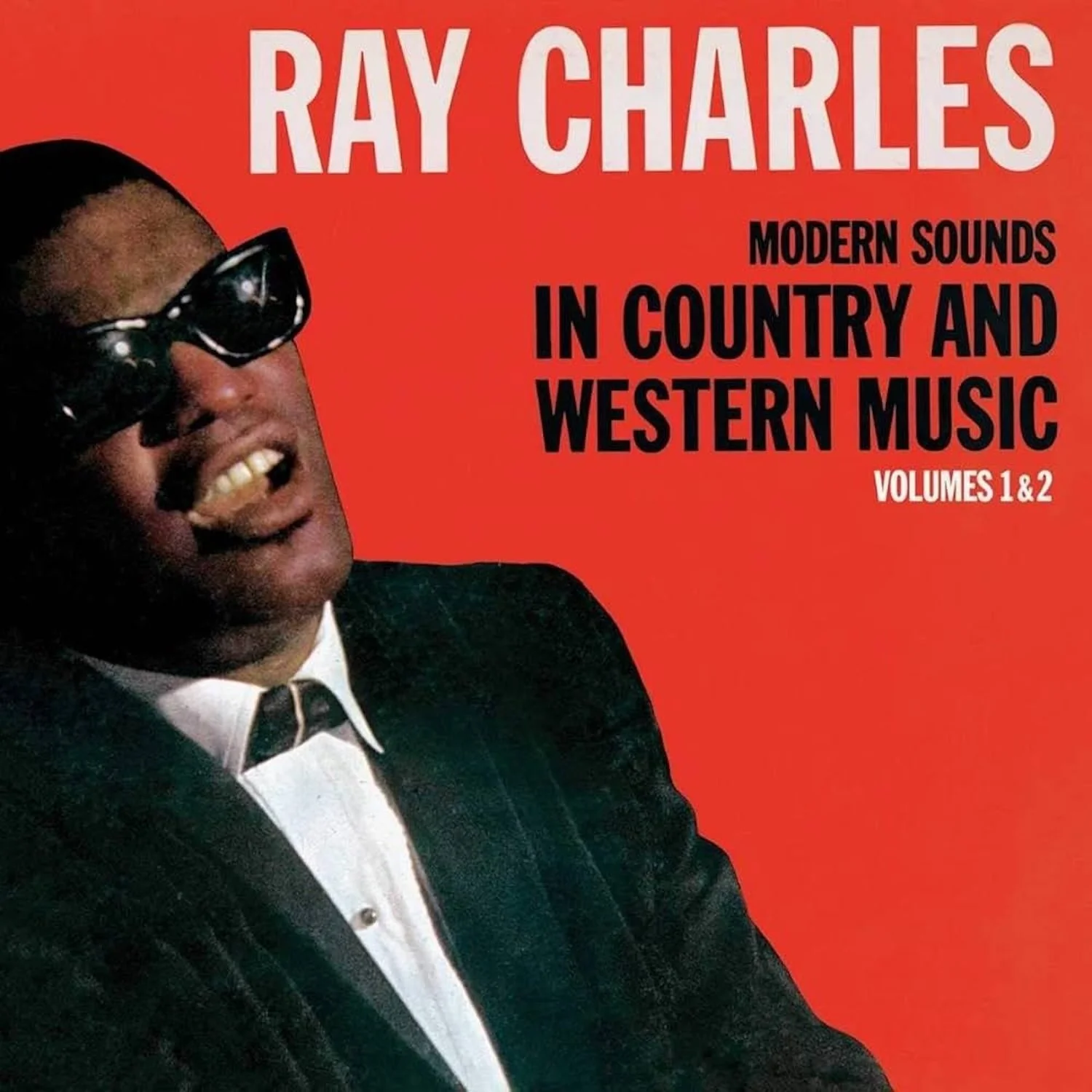
A Black man’s daring foray into the hostile backwoods of country music staked a claim for racial unity in a United States that was just beginning to come to terms with the appalling injustices of Jim Crow laws. Before embarking on a tour to promote the record, Charles threw down the gauntlet by refusing to perform in segregated venues in the South. Reports later surfaced detailing scenarios in which southern whites willingly gathered alongside blacks –– perhaps for the first time in their lives –– to hear Charles sing songs they had assumed were exclusive to white performers. This phenomenon was a testament to Charles' faith in humanity and the transformative power of art.
What is indisputable is that Ray Charles held a deep appreciation for country music. His hillbilly experiment failed to resolve the genre's diversity problem but achieved a more significant outcome: it undermined the very ideals that the Rebel flag represents – a powerful legacy that is wholly relevant today. Regrettably, the emblem of the Confederacy continues to cast a long shadow over both country music and contemporary American society. It stands proud and defiant against the harsh winds of bigotry and ignorance.